


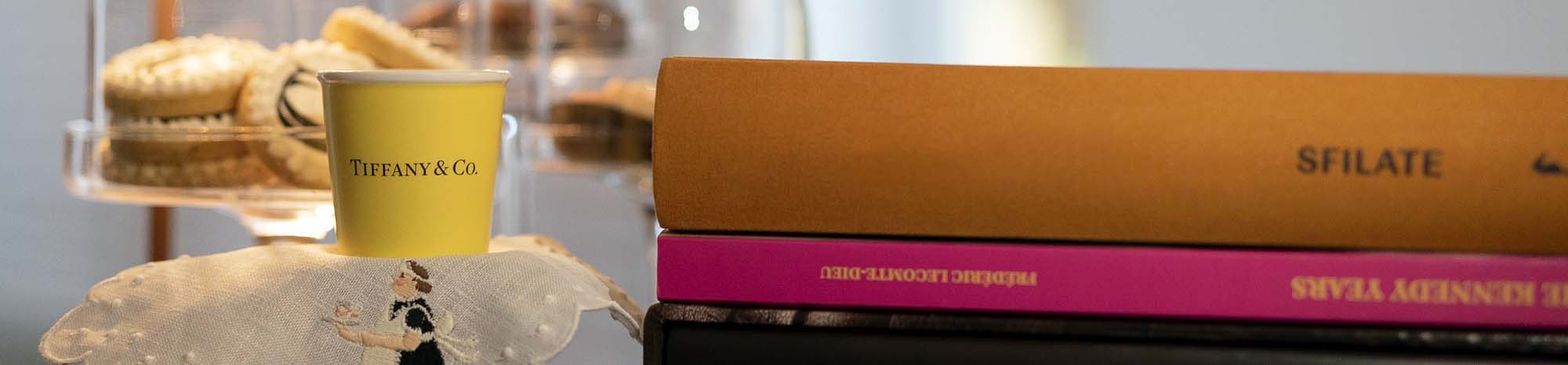
The jewellery market resists market downturns
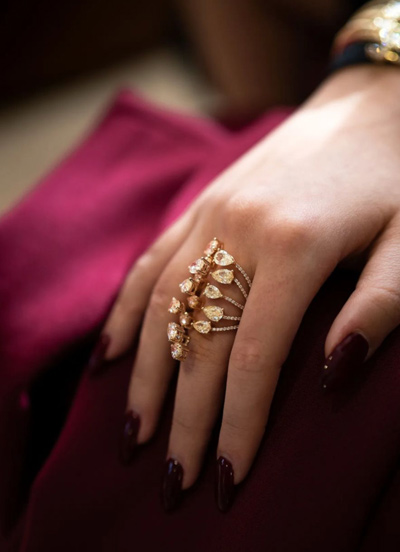
Ph: Studio Carabas
In uncertain times characterised by events that destabilise financial markets around the world, there is one sector that knows no crisis: jewellery. This is revealed by data from the most important companies operating in this sector.
The Swiss group Richemont, for example, which owns brands such as Cartier, Buccellati, Van Cleef & Arpels and Vhernier, ended the first quarter of the current fiscal year with sales up 11%. These are very significant figures, demonstrating how the high-end jewellery sector is more resilient than others and is not only managing to stay afloat but is actually driving the luxury market.
The above result is also perfectly in line with the figures of other major players in the sector. LVMH's Watches & Jewellery division, which owns Bulgari, Tiffany and other prestigious brands, is the only one in the group to have closed the first three months of 2025 with 1% growth. The figure may seem modest, but the positive sign is reassuring when compared with the declining numbers in other areas of the luxury sector.
Even Kering, in the difficult historical moment it is currently experiencing, is recording good performance for the high-end jewellery brands it owns: Pomellato, Dodo, Qeelin and Boucheron. This shows us that purchases and investments in precious stones and jewellery are proving more attractive to customers who prefer to spend and invest here rather than elsewhere.
According to Statista, a web portal specialising in market research and analysis, the total turnover of the jewellery segment will grow by 4.90% annually until 2030 and will continue to be significantly higher than the growth rates of the fashion sector. Seen from a different perspective, these figures also reflect the new purchasing habits of high-spending consumers, who consider fine jewellery and luxury watches increasingly attractive, partly because the value of such purchases is proven to remain stable over time, if not increase.
Ph: Studio Carabas