


No-logo brands: a quiet style that leaves its mark
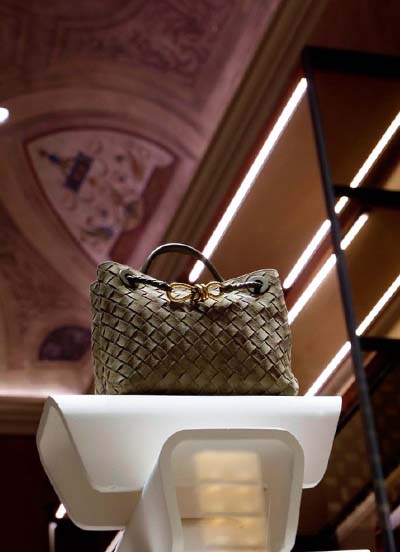
It is said that a designer is globally established when their creations begin to be recognised by the public even without the need to stamp them with an identifying logo. This happens when it is not a brand that speaks, but a style, a detail, a philosophy. Bottega Veneta, which was the first to embrace this aesthetic, knows this well: its accessories, as demonstrated by the fine weaving technique, and its garments need nothing more than themselves to be recognised and desired.
The brand, now led by Louis Trotter, was a pioneer but is beginning to be in good company as more and more brands embracing the “no logo” philosophy are making their way into the luxury market. These are almost always luxury brands that focus on minimalist ideas, fine materials, refined tailoring and essential values.
Examples include The Row, a brand founded by twins Mary-Kate and Ashley Olsen, and Louboutin, which has made red its distinctive feature. Elegance, after all, lies in the details, and in the world of fashion, nothing seems cooler at the moment than focusing on what appears superfluous but turns out to be essential: a finish, a shade of colour, a cut, a pattern. Fashion houses such as Jil Sander, Massimo Dutti, Zanini and Isabel Marant had sensed this long ago, and continue to demonstrate it over time.
In a world where everyone feels the need to shout about themselves on social media, what has led to the success of this philosophy? Naomi Klein, who analysed the phenomenon in her book “No Logo: Taking Aim at the Brand Bullies”, talks about aesthetic autonomy: consumers who prioritise content and embrace, along with the brand, a genuine vision of values. In a historical period in which wanting to be recognised has become imperative, not displaying the brand becomes a statement and, paradoxically, an affirmation of one's self that reinforces the idea of independence and character in the eyes of others.
Because, as the unforgettable Giorgio Armani, master of style and king of Made in Italy, said: elegance is not about being noticed, but about being remembered.